
Introduction
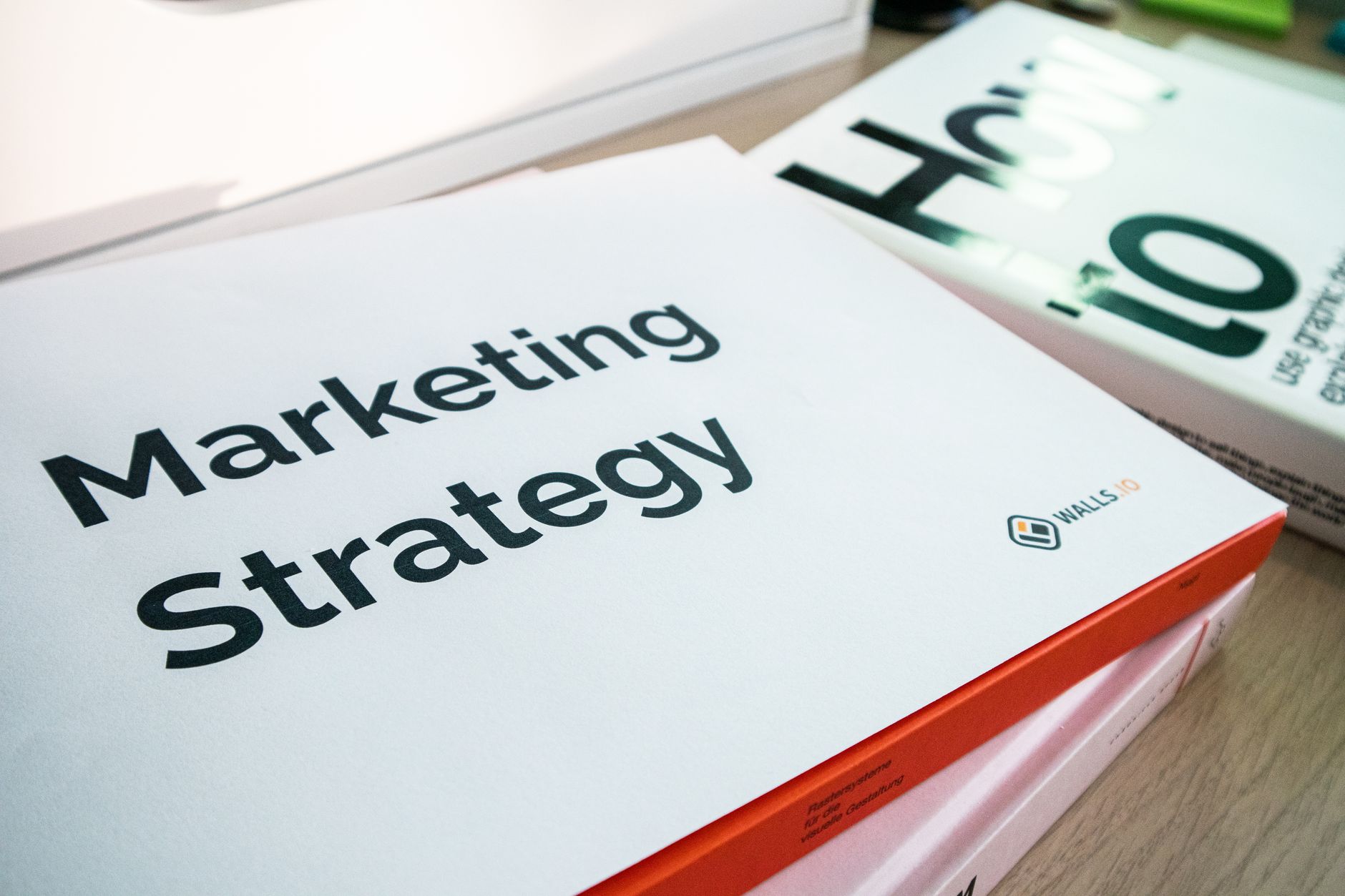
Today’s digital environment moves quickly, and many companies wonder if print media still matters alongside online channels. Using both physical and digital media creates a flexible marketing approach that can boost brand visibility, engage customers, and build trust.
The Power of Physical Media
Physical media like brochures, business cards, banners, and direct mail provide tangible, memorable experiences. They help create a personal connection with your audience, leave a lasting impression, and can be targeted effectively. For instance, well-designed print materials can stand out at trade shows or in-store displays, strengthening your brand identity.
The Advantages of Digital Media
Digital media—including websites, social media, email, and online ads—offer quick responses, scalability, and access to data. They allow real-time interactions, personalized messages, and wider reach. Digital platforms also support fast updates and ongoing engagement, which are vital in today’s fast-moving market.

Why Your Business Needs Both
Combining print and digital media makes your marketing efforts more comprehensive and adaptable. Physical materials can guide customers online, while digital channels can reinforce and extend print messages. This integration helps improve brand recognition, strengthen customer relationships, and drive sales.
Strategies for Successful Integration
- Consistent Branding: Keep visuals and messages uniform across all media.
- Cross-Promotion: Use print to promote your digital channels and vice versa.
- Personalization: Customize both print and digital content for specific customer groups.
- Data Collection: Use digital analytics to improve your print campaigns.
Conclusion
Using both print and digital media in your marketing plan is key to reaching different audiences, building trust, and growing steadily. Together, these channels help your business stay competitive and relevant today.