Introduction
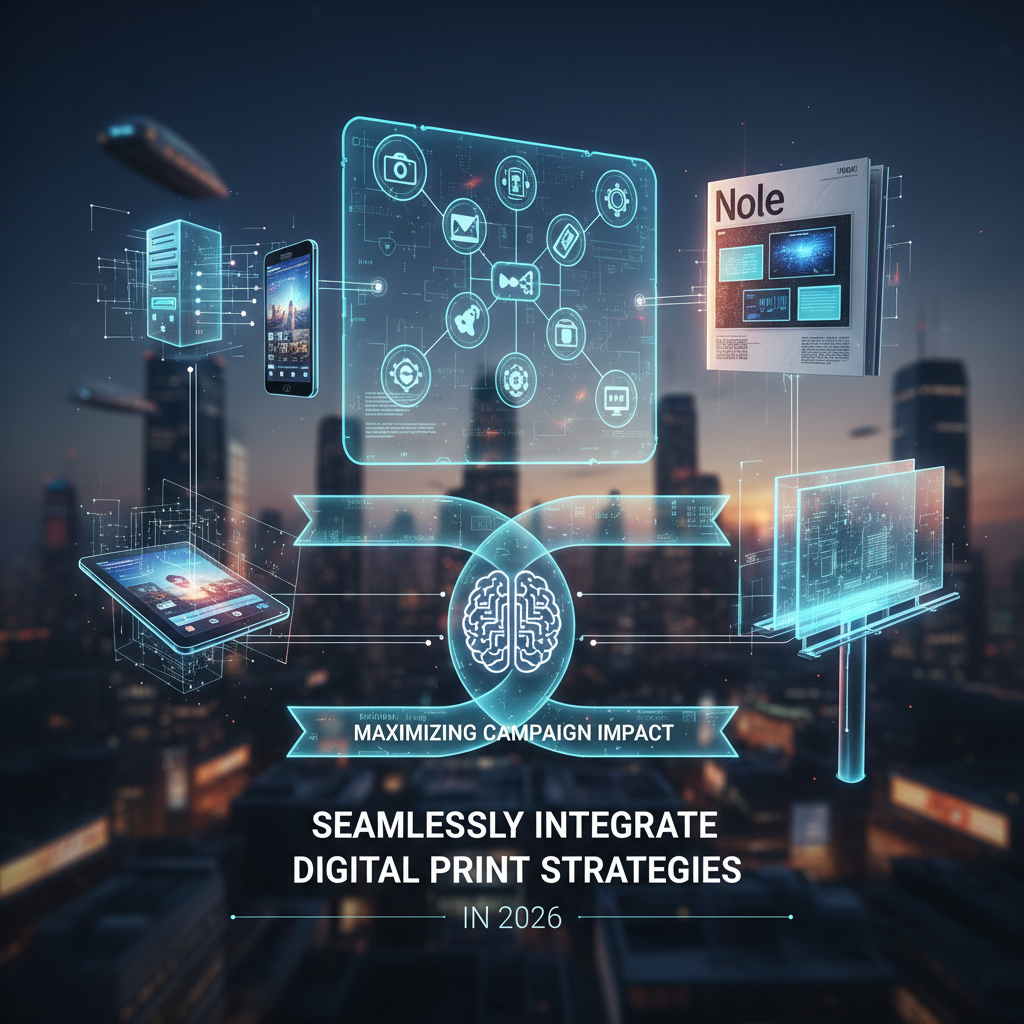
In 2026, successful marketing blends digital and print strategies. As consumer habits change and technology evolves, aligning these channels can enhance engagement, brand awareness, and conversions. This guide offers practical ways to unify your efforts for better results.
The synergy of digital and print
The strengths of each medium
Digital marketing provides quick responses, data insights, and wide reach, while print offers tangible, credible materials that leave a lasting impression. Understanding these strengths helps you develop campaigns that work well together across channels.
Why integration matters in 2026
Today’s consumers expect personalized, consistent experiences everywhere they interact with your brand. Combining digital and print ensures your messaging stays clear, builds recognition, and fosters trust. It also allows you to get more from your campaigns and use resources efficiently.
Strategies for effective integration
1. Consistent messaging and branding
Keep visuals, tone, and messaging uniform across all materials. Use common branding elements—logos, colors, slogans—to strengthen your identity whether online or offline.
2. Cross-promotional tactics
- Add QR codes to print materials linking to videos, landing pages, or social media profiles.
- Use digital campaigns to promote print events or guide people to physical stores or locations.
3. Personalization through data
Use data analytics to customize print and digital content based on customer preferences and behaviors. Personalization can boost engagement and conversions.
4. Coordinated campaign timing
Plan campaigns to run smoothly across channels. For example, introduce a new product with print ads, then follow up with targeted emails and social media promotion.
Technologies shaping integration in 2026
Augmented Reality (AR) and Virtual Reality (VR)
AR and VR make print experiences interactive and connect easily with digital platforms, creating engaging user journeys.
Artificial Intelligence (AI) and Machine Learning
AI tools enable personalized content, campaign optimization, and real-time analytics for integrated marketing efforts.
Advanced tracking and attribution
Improved tracking technology helps measure interactions across channels accurately, ensuring your marketing efforts are aligned and effective.
Tracking success and ongoing improvement
Use analytics dashboards to watch KPIs like engagement, conversions, and return on investment. Adjust your strategies based on these insights to improve future campaigns.
Final thoughts
In 2026, blending digital and print strategies effectively is key to maximizing campaign impact. Understanding their unique strengths, adopting new technologies, and maintaining a consistent brand presence can help you create campaigns that connect with audiences across all touchpoints and produce measurable results.